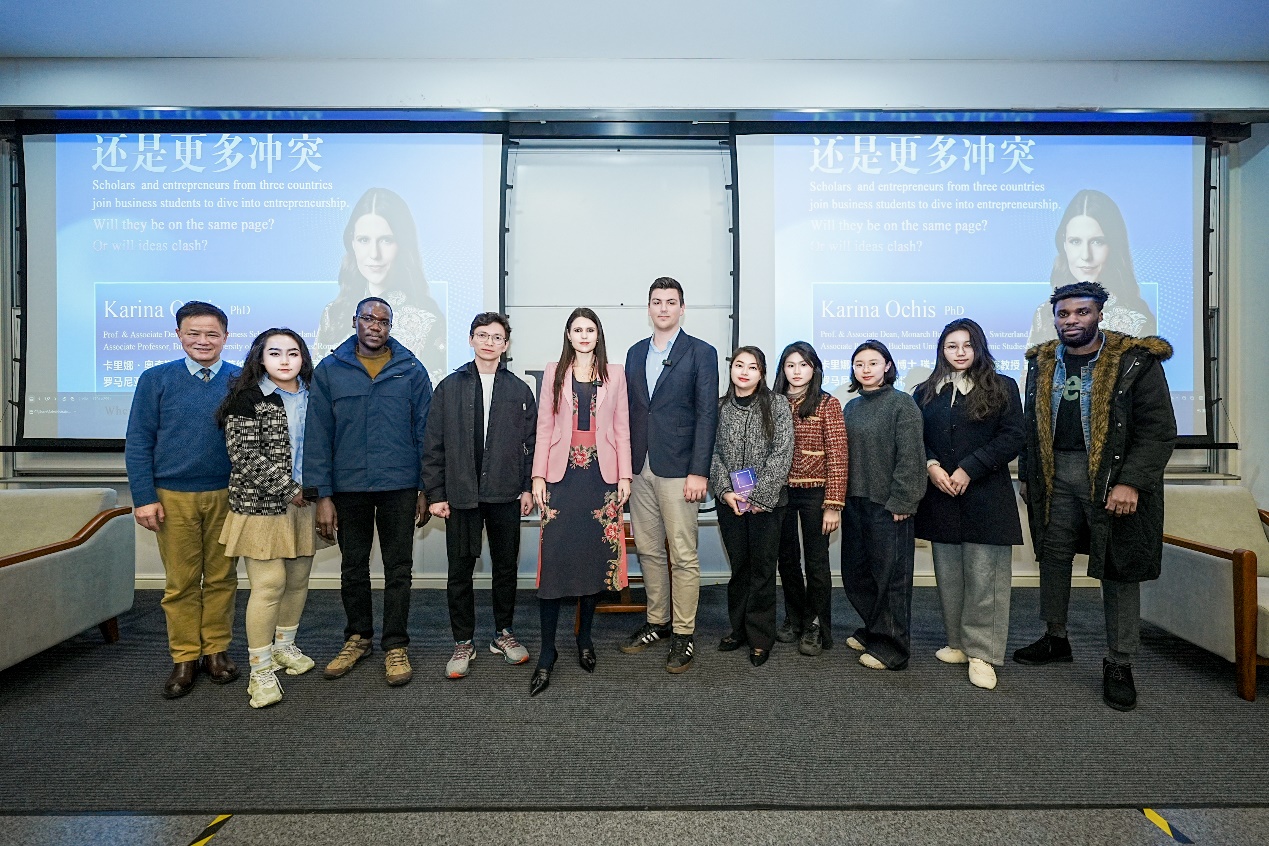
On November 11, the Third Global Science and Technology Innovation Seminar, hosted by the International Institute of Finance (IIF) of the University of Science and Technology of China (USTC), was held at the IIF. Under the theme “More Consensus or More Conflict? Scholars and Entrepreneurs from Three Countries on Entrepreneurship”, the seminar focused on the encounter and convergence of scholar-entrepreneurs and entrepreneur-scholars, combining practical experience sharing with a structured academic interview. Dr. Karina Ochis, Professor and Vice Dean of Monarch Business School Switzerland and Associate Professor at Bucharest University of Economic Studies in Romania, and Andrija Leovac, co-founding partner of China Genex in Montenegro and doctoral candidate at the University of Donja Gorica (UDG), were invited to share their insights. Together they held in-depth discussions on cross-generational leadership, Gen Z in the workplace, cross-border entrepreneurial practice and the integration of academic research with business practice. Faculty and students attended in person to explore how academic theory and industry practice can reinforce each other. Zhou Zhengkai, Vice Dean of the IIF, served as the interview guest.
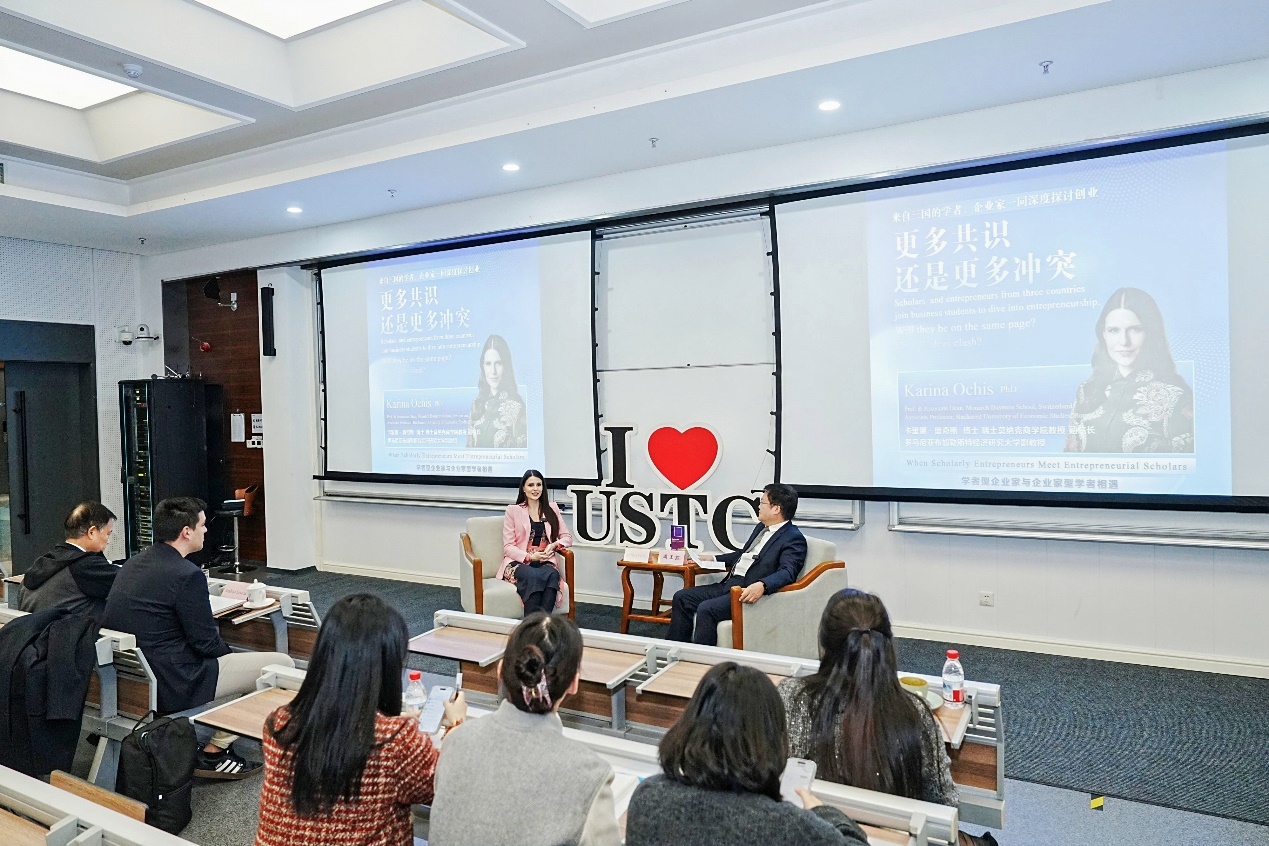
At the opening of the event, Vice Dean Zhou extended a warm welcome to the two guests who had travelled from abroad. He noted that the global environment for innovation and entrepreneurship is complex and rapidly changing, and that academia and industry differ in their ways of thinking yet also share broad common ground for cooperation. How to break down the barriers between academic research and business practice, and how to understand the thinking of the new generation of entrepreneurs and professionals, are key questions for business education. The IIF has continued to develop the Global Science and Technology Innovation Seminar as a platform for exchange in order to introduce diverse international perspectives, open a window for cross-border dialogue among faculty and students, and encourage students to view the disagreements and consensus in entrepreneurship in a balanced way.
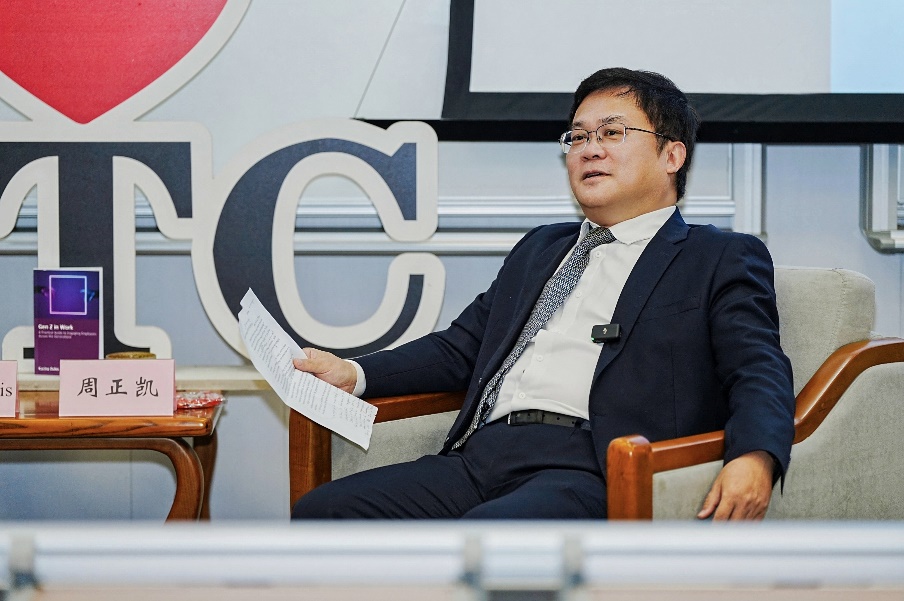
Addressing the theme of the seminar, Dr. Ochis opened the keynote session. Drawing on the findings of her book Gen Z in Work, she traced the evolution of Western leadership theory, analyzed what different generations value, and examined the behavior and real-world difficulties of Gen Z employees and young entrepreneurs, proposing the Ochis Model of multigenerational leadership together with a practical methodology for integrating new employees. Generational differences, she argued, are not fixed traits attached as labels but behavioral patterns shaped by the experience of an era; in entrepreneurship and organizational management, it is important both to confront differences of opinion and to build communication and incentive mechanisms suited to a multigenerational workforce, so that generational differences become a driving force for team innovation. Drawing on consulting cases from several countries, she also discussed the opportunities and practical challenges for academics who move into entrepreneurship and for entrepreneurs who contribute back to academic research.
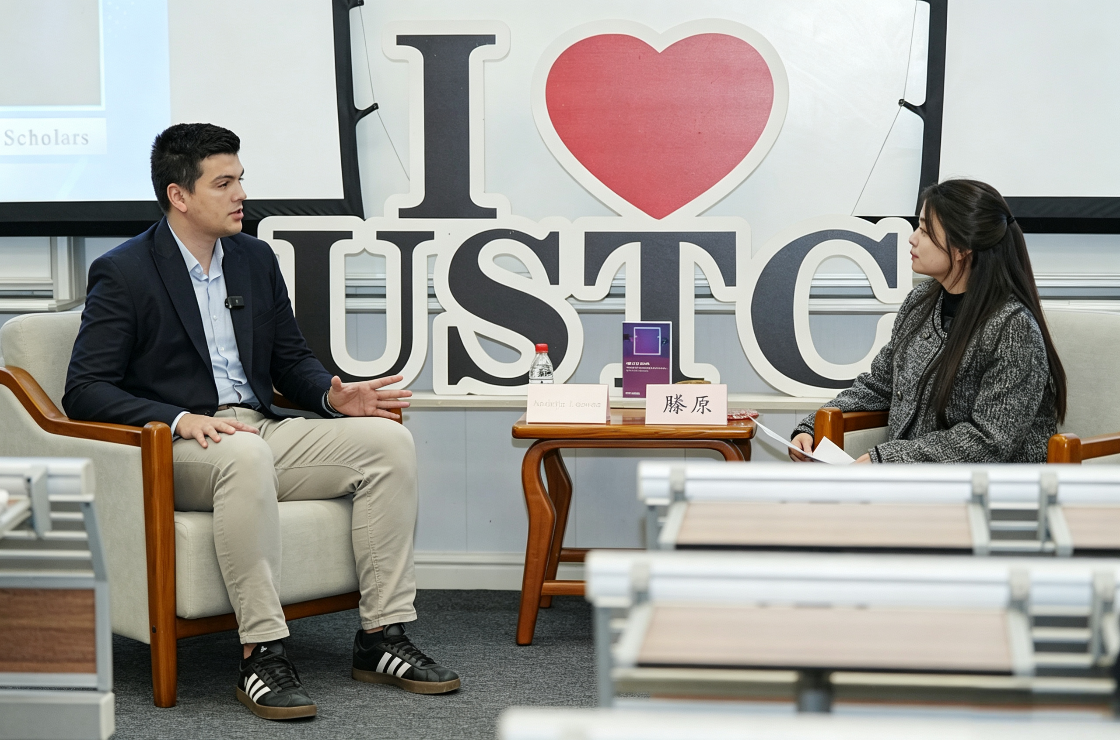
Andrija Leovac, drawing on his dual role as a company founder and a doctoral student, shared his hands-on experience in cross-border entrepreneurship. Differences in market rules and cultural perceptions from one country to another, he said, can create friction and conflicting views, but can also give rise to new opportunities for cross-border collaboration. He encouraged the students to deepen their theoretical knowledge while also gaining first-hand exposure to industry, to balance academic ideals with commercial realities through trial and error, and to seek consensus amid conflict and adjustment.
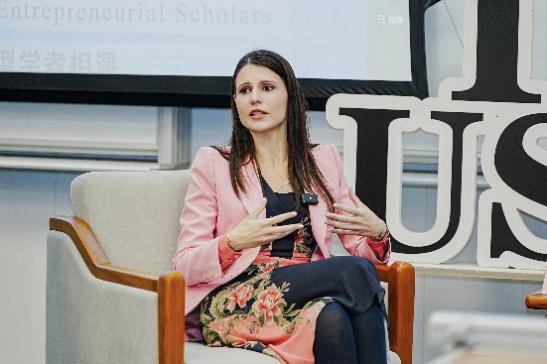
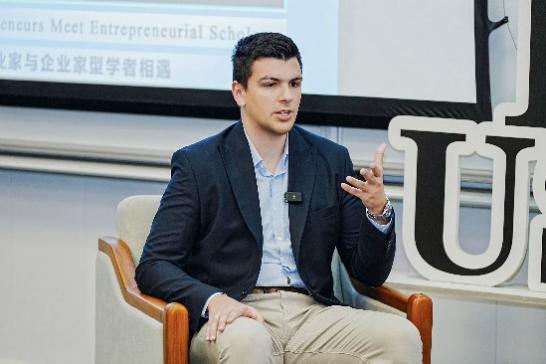
The interactive session was lively, with faculty and students asking questions on entrepreneurial choices for young people, talent and team management, and comparisons between the innovation and entrepreneurship environments in China and Europe. The two guests responded one by one, drawing on research data and their own experience and offering the students a range of perspectives.
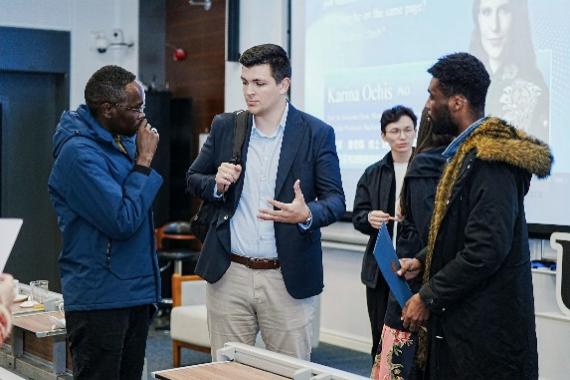
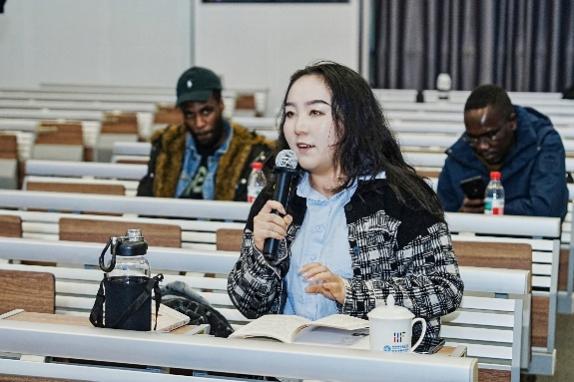
Ideas connect across mountains and seas. The seminar created a platform for dialogue across national borders and between academia and industry, exploring through the clash and exchange of views the underlying logic of innovation and entrepreneurship. The IIF will continue to bring together global expertise and introduce high-quality overseas resources, broaden the international horizons of faculty and students, and create a meeting point where academic thinking and industry practice from different cultural backgrounds inform and learn from each other. In doing so, it aims to help develop well-rounded business talent with both sound theory and practical capability, and to support the cultivation of innovative and entrepreneurial talent and deeper integration of industry, academia and research.